
How OCD Can Show Up in Children
As a parent, you naturally want to protect your child from anything that could cause them pain. Yet some challenges, including obsessive-compulsive disorder (OCD), are not things you can prevent or control. What you can control is how prepared you are to recognize the signs and respond with support. Understanding how OCD tends to show up in children is the first step toward helping your child feel understood rather than alone.
What OCD Looks Like: Obsessions and Compulsions
OCD is a type of anxiety disorder built around two connected patterns: obsessions and compulsions. Obsessions are recurring, unwanted thoughts that create distress, often centered on a specific fear. Compulsions are the repeated behaviors your child performs to relieve the discomfort those thoughts produce. For example, a child who fears touching something contaminated may develop a pattern of excessive handwashing in an attempt to manage that fear.
Common Signs of Obsessive Thinking
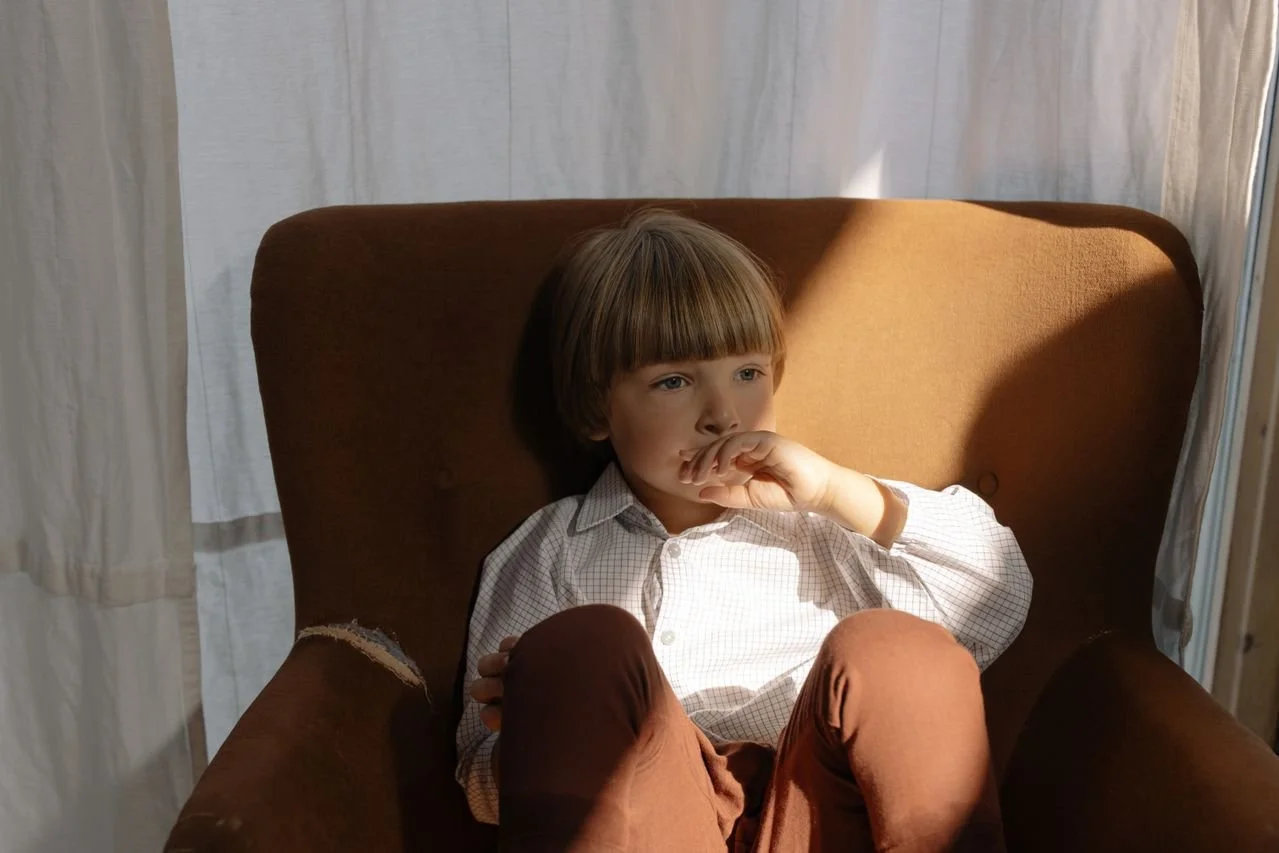
Obsessions in children often center on themes such as:
Dirt, germs, or contamination
Repeated worry about whether doors are locked, stoves are off, or windows are shut
Fear that something bad will happen to a loved one
Intense focus on order, symmetry, or exactness
A felt need to remember or know details that do not seem important
Common Compulsive Behaviors
Compulsions are the actions your child uses to manage the anxiety these thoughts create. You may notice behaviors such as repeated handwashing, hoarding objects, excessive counting, grouping or arranging items, asking the same question or seeking reassurance over and over, or repeating certain words, sounds, or phrases.
How OCD Can Change as Your Child Grows
The focus of a child's OCD often shifts with age. Younger children tend to develop rituals around everyday routines, such as mealtime, bathing, or bedtime. As their world expands, their obsessions and compulsions often expand along with it, moving beyond the home and into broader areas of life such as school, friendships, and the wider world around them.
When to Seek Professional Support
Pediatric OCD is not especially common, but it does happen, and it is treatable. If you notice these patterns developing in your child, start by talking with their pediatrician, who can evaluate your child or refer you to a child psychologist for more specialized care. It is worth noting that OCD is not something a child simply grows out of. It can flare up during stressful periods, and left untreated, it tends to worsen over time and can contribute to other mental health difficulties.
Cognitive behavioral therapy (CBT) and exposure and response prevention (ERP) are considered the most effective treatments for pediatric OCD, and depending on your child's specific situation, medication may also be a helpful option to discuss with your doctor.
How You Can Support Your Child
Alongside professional treatment, your support at home plays a meaningful role in your child's progress. Make sure your child knows you are someone they can come to without judgment, and reassure them that you are there to face this challenge together. Try to approach their obsessions and compulsions with curiosity rather than frustration, since these patterns are not choices your child is making on purpose.
As your child moves through therapy, you can also help reinforce the skills they are learning by encouraging them to apply those tools to everyday situations outside of session, such as practicing calming strategies before a stressful transition or gently naming a worry thought instead of acting on it.
Reaching Out
Recognizing the signs of OCD in your child is an important step, and you do not have to navigate it alone. Working with a licensed mental health professional can help your child build the tools they need to manage their symptoms and thrive. Reach out today to learn more about how therapy for pediatric OCD can support your family through this process.